China Low cost Injection molding machines supplier

How can I install a plastic mold to an injection machine?
January 4, 2023
Installing a plastic mold on an injection molding machine is a multi-step process that requires careful handling and attention to detail. Here is a general outline of the steps involved: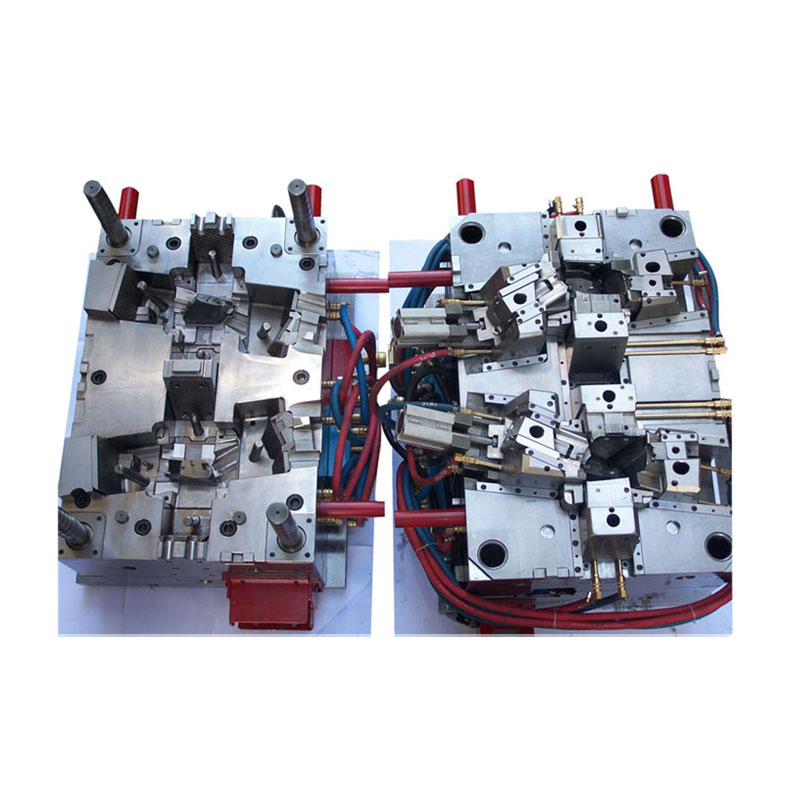
- Clean the injection molding machine and the area around it. This is important to ensure that there is no dust or debris on the machine that could contaminate the plastic material during the molding process.
- Determine the size and weight of the mold. The injection molding machine must be able to accommodate the size and weight of the mold, so it is important to make sure that the machine is capable of handling it.
- Position the mold onto the machine’s mold clamp. This typically involves aligning the mold with the clamp and securing it in place with bolts or other fasteners.
- Connect the mold to the injection molding machine’s hydraulic system. This usually involves attaching hoses from the machine to the mold to provide the necessary hydraulic pressure for the injection molding process.
- Set the injection pressure and temperature on the machine. These settings will depend on the specific plastic material being used and the size and shape of the mold. It is important to follow the recommended settings provided by the mold manufacturer to ensure proper injection molding conditions.
- Calibrate the machine’s injection speed and injection time. These settings will also depend on the specific plastic material being used and the size and shape of the mold. Again, it is important to follow the recommended settings provided by the mold manufacturer to ensure proper injection molding conditions.
- Test the machine to ensure that it is functioning properly and that the mold is securely installed. This may involve running a few small test shots to verify that the machine is injecting the plastic material into the mold correctly.
- Begin the injection molding process. This involves loading the plastic material into the machine’s hopper, activating the machine’s injection cycle, and monitoring the process to ensure that the plastic material is being injected into the mold correctly.
- Monitor the injection molding process and make any necessary adjustments. This may involve adjusting the machine’s settings or the amount of plastic material being injected to ensure that the final product meets the desired specifications.
- Remove the molded part from the mold and inspect it for any defects. If necessary, make any necessary repairs or adjustments to the mold or the injection molding machine to ensure that future parts are molded correctly.
I hope this information is helpful! Let me know if you have any specific questions or need further clarification on any of the steps involved in installing a plastic mold on an injection molding machine.
The steps I provided outline the general process for installing a plastic mold on an injection molding machine. However, it is important to note that the specific details of the process may vary depending on the specific make and model of the injection molding machine, as well as the size and complexity of the mold being installed.
It is always a good idea to refer to the manufacturer’s instructions and guidelines for installing a plastic mold on an injection molding machine, as well as any relevant safety precautions that should be taken. Additionally, it is recommended to have someone with experience in injection molding assist with the installation process to ensure that it is done correctly and safely.
Here are a few additional things to consider when installing a plastic mold on an injection molding machine:
- Make sure that the mold is properly supported and aligned with the machine’s clamp. Misalignment can cause problems with the injection molding process and may result in defective parts.
- Ensure that all hoses and connections are securely attached and free of leaks. Leaks can cause problems with the injection molding process and may result in defective parts.
- Check the condition of the machine’s heater bands and replace any that are damaged or worn. Damaged heater bands can cause problems with the injection molding process and may result in defective parts.
- Perform regular maintenance on the injection molding machine to keep it in good working condition. This may include cleaning the machine, checking and replacing worn or damaged parts, and lubricating moving parts as needed.
- Follow all safety precautions when working with the injection molding machine. This may include wearing protective equipment, such as gloves, goggles, and earplugs, as well as following proper handling procedures for the plastic material being used.
I hope this additional information is helpful! Let me know if you have any specific questions or need further clarification.
If you have any questions on plastic industry,plz feel free to ask FLYSE team,we will give you best service! We can also supply you good but cheap injection molding machine! Or contact us on Facebook.
Whatsapp/Wechat 008618958305290
Blog
Maybe you like also
Copy©2013 | China Ningbo Flyse Plastic Machinery Co.,ltd. | Sitemap
Service
Flyse Make Your Dreams Fly!
Scan it, Talk for better
